
Hub and Spoke: Rethinking
Enrollment flows
How do you streamline product onboarding while balancing compliance, conversion, and user trust?
23%
Increase in task
completion rate
45%
reduction in queries
related to tasks
27%
Improvement in understandability

The Challenge
-
Onboarding flows were long (~30 steps) and rigid.
-
Users often got stuck at a step where they didn’t have the required details, leading to frustration and abandonment.
-
Nearly 60% of users dropping off mid-journey.
-
Inconsistent UX across product verticals.
-
Reliance on agents to handle stuck applications added operational costs and delays.

The approach
-
Mapped end-to-end journeys across all lending products to identify pain points and redundancies.
-
Partnered with PMs, Engineering, Compliance, and Operations to balance regulatory requirements with user needs.
-
Conducted heuristic audits and user testing to see where and why users dropped off.
-
Prioritized system-level fixes that could improve usability while reducing operational overhead.
The Solution
-
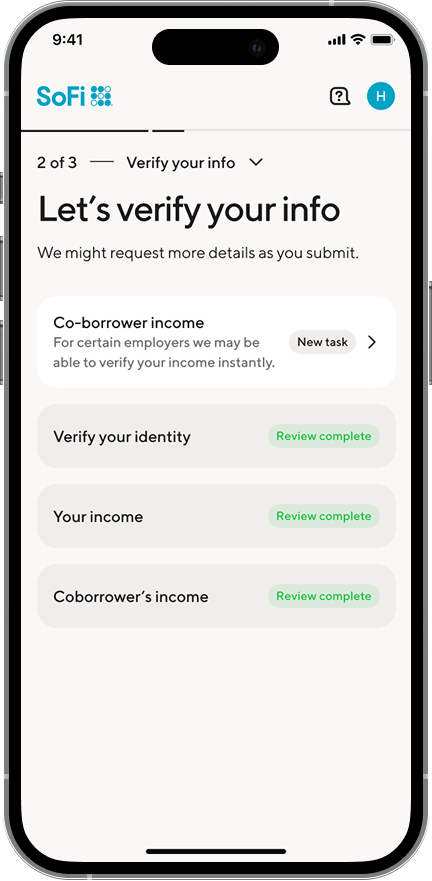
Introduced a hub-and-spoke model so users could jump between sections and return later, instead of getting blocked at a single step.
-
Standardized UX patterns (progress indicators, exception handling, form inputs) across the suite.
-
Created a horizontal design foundation so future products could plug into the system seamlessly.

Hub
List of tasks not started

Task
Goes on to finish a task

Hub
Comes back to the hub

State -
User has a new task

State -
More information needed

State -
List of uploaded documents
The outcome
-
⬇️ Reduced steps: Onboarding flows cut from ~30 → ~20 on average.
-
⬆️ Higher completion rates thanks to fewer redundancies and clearer navigation.
-
⬆️ Operational efficiency - fewer escalations to agents, reducing load on support.
-
⬆️ Scalable impact - Framework extended across six lending products.
-
⬆️ System-first foundation influencing future product launches.